Understanding Heat-Powered Wood Stove Fans
Wood stove fans, specifically those that operate without electricity, have gained popularity among homeowners seeking efficient heating solutions. Utilizing the principle of thermoelectric generation, these fans enhance the distribution of warm air in a room, thereby maximizing the efficiency of the wood stove.
How They Work
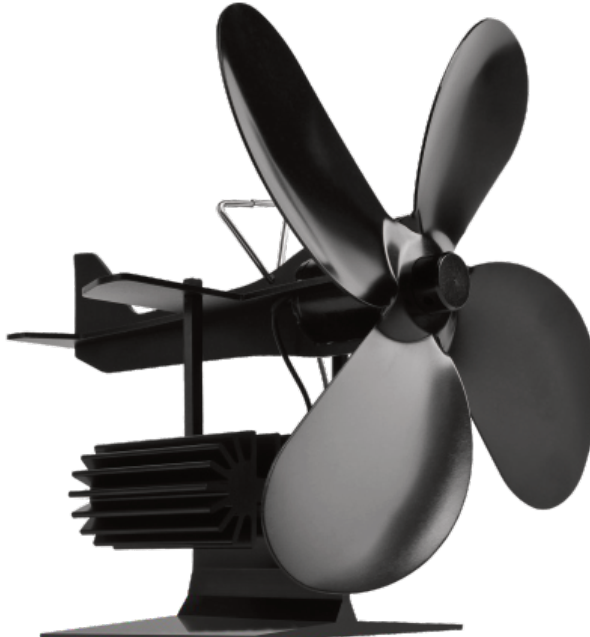
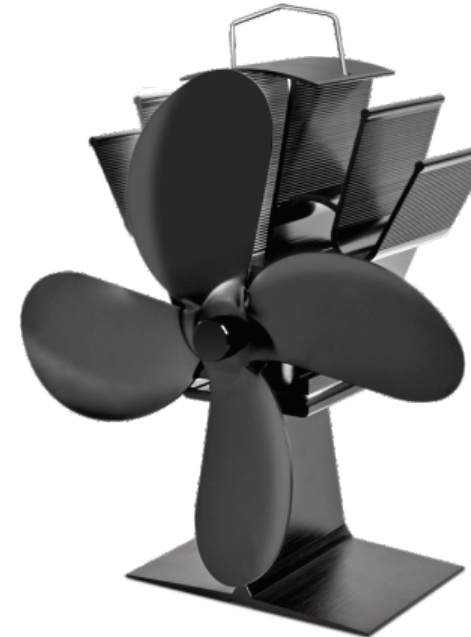
Heat-powered wood stove fans function through a simple yet effective mechanism. When placed on top of a wood stove, the fan absorbs heat from the stove's surface. This heat is transferred to a thermoelectric module, which generates electricity. In turn, this electricity powers a small motor that spins the blades of the fan, pushing warm air into the living space.
The design often incorporates a heat sink that aids in the cooling of one side of the thermoelectric module. The temperature difference between the hot and cold sides is what drives the fan’s operation. As the wood stove heats up, the fan can begin to operate within minutes, efficiently circulating warm air throughout the area.
Fuel Efficiency Benefits
One of the primary advantages of using a heat-powered fan is its contribution to fuel efficiency. By optimizing heat distribution, these fans help in reducing the amount of wood needed for heating. This is particularly beneficial during the colder months, when frequent refueling can be a chore and an added expense.
- Enhanced warmth: The improved circulation of warm air means that rooms reach comfortable temperatures more quickly.
- Lower fuel consumption: By making the most of the heat generated from burning wood, users can significantly decrease their wood usage.
- Cost-effectiveness: While there is an initial investment in the fan, the fuel savings over time can lead to a quick return on investment.
Choosing the Right Model
When selecting a heat-powered wood stove fan, several factors warrant consideration. One must evaluate the size of the fan in relation to the wood stove and the area to be heated. Fans come in varying diameters and power outputs, so matching the fan's capacity with your heating needs is crucial.
Additionally, material quality plays a significant role in durability and performance. Many fans are made from aluminum or stainless steel, both of which can withstand high temperatures while ensuring longevity. Furthermore, user-friendly features, such as adjustable speed settings or unique blade designs, can enhance the functionality of the fan.
Popular Models in the Market
Several brands offer effective heat-powered wood stove fans. One notable example is the VOOMA model, which is renowned for its robust design and efficient performance. Another respected contender is the Ecofan, which has been praised for its reliability and ease of use.
Before purchasing, it may be beneficial to read customer reviews and possibly consult with local dealers. This way, one can discern not only the specifications but also the real-world efficacy of each model.
Maintenance and Care
To ensure optimal performance, regular maintenance is essential. Dust and ash can accumulate on the blades and motor, potentially impairing functionality. A simple cleaning routine, involving a soft cloth and mild soap, is usually sufficient. It is also advisable to check for any signs of wear and tear periodically, especially on the thermoelectric module and the fan blades.
Conclusion
Heat-powered wood stove fans represent a practical, eco-friendly solution for enhancing heating efficiency in homes. By utilizing the heat generated by wood stoves, these fans not only improve comfort but also contribute to significant fuel savings over time. Selecting the appropriate model and maintaining it well can yield a warm and inviting atmosphere during the chilly months.