Understanding Fuel Types for Camping Stoves
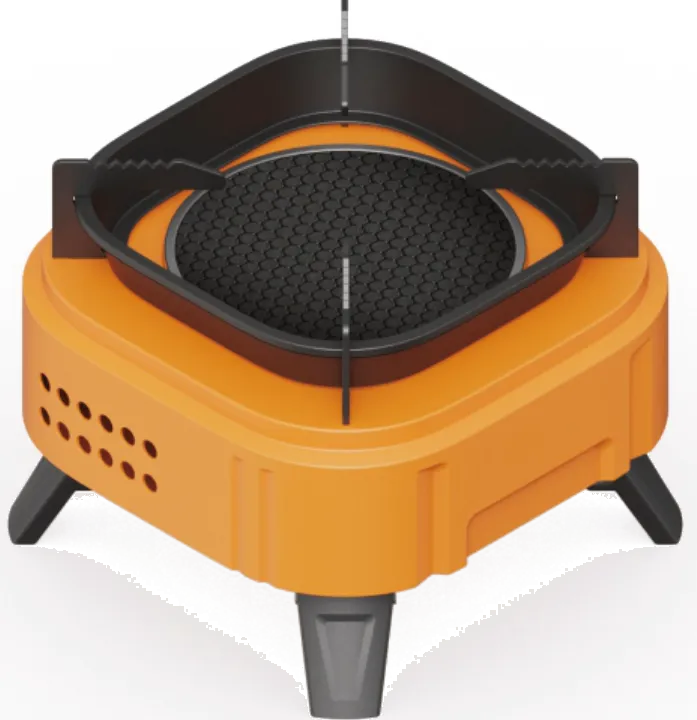
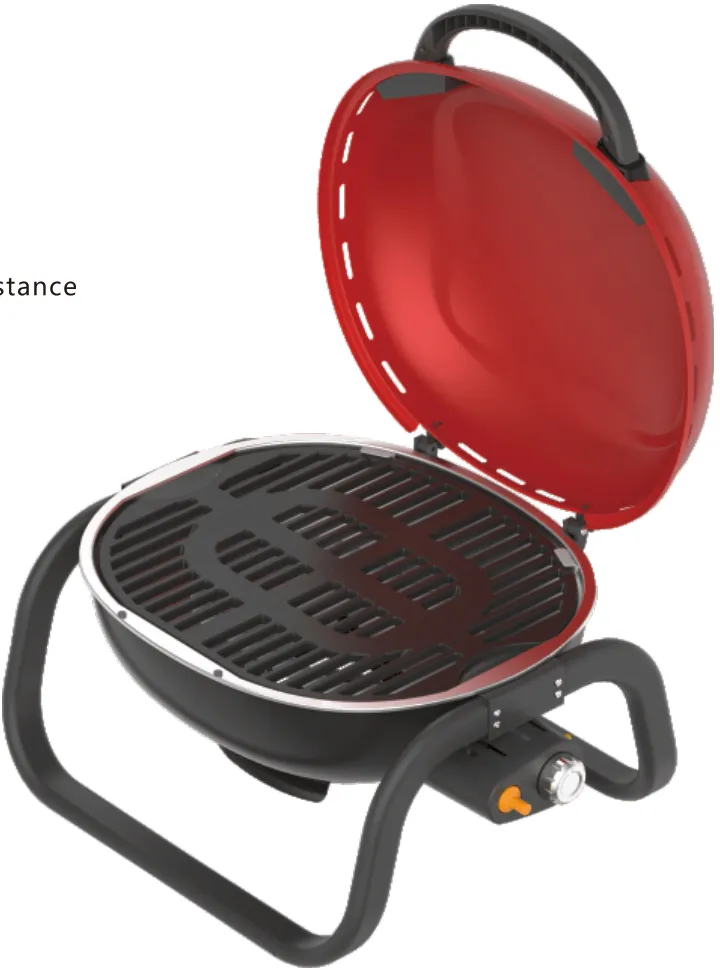
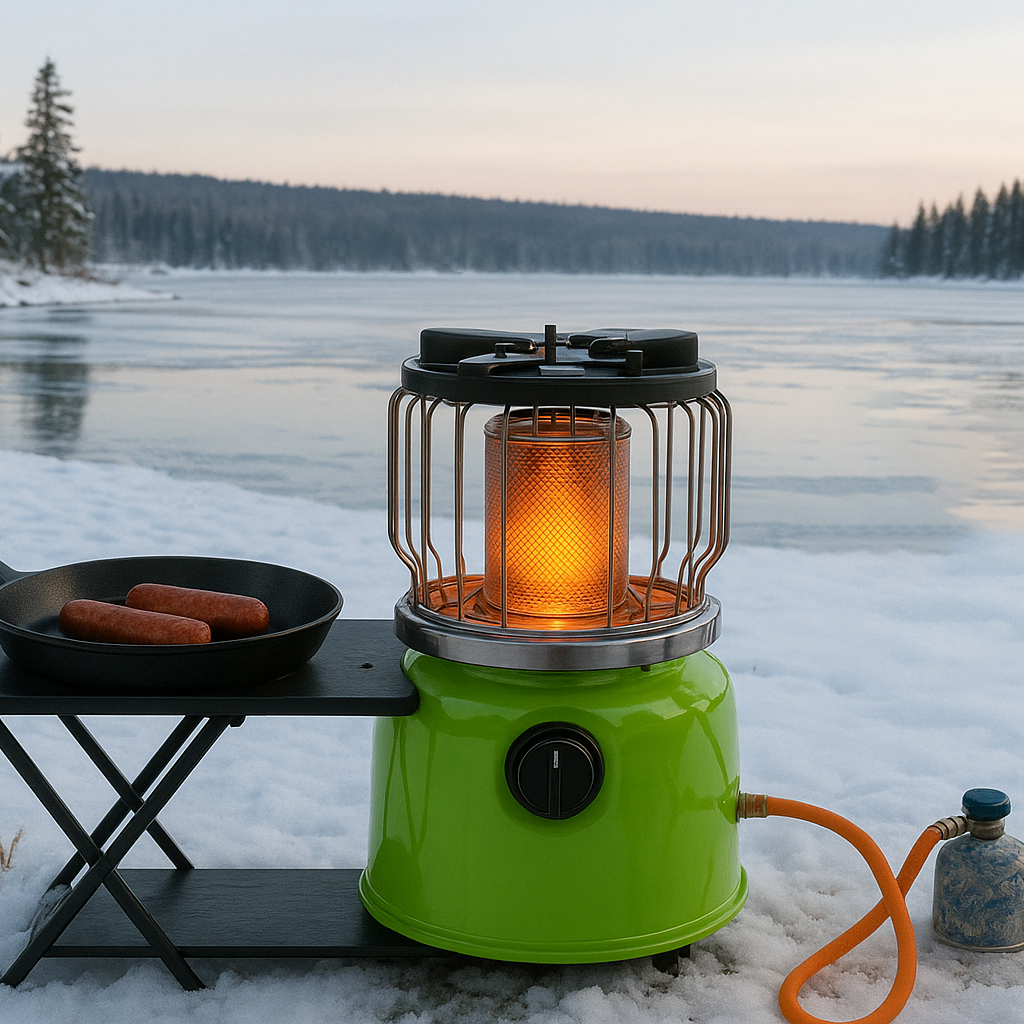
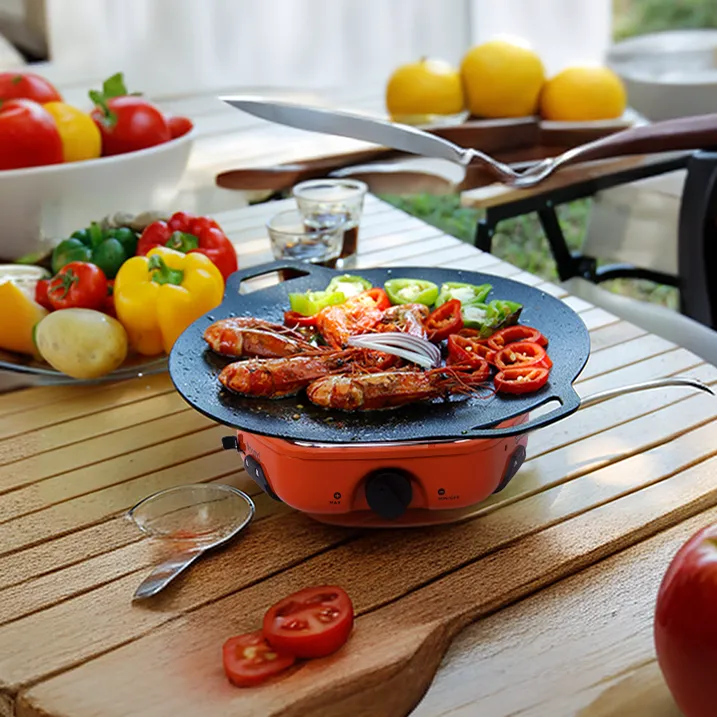
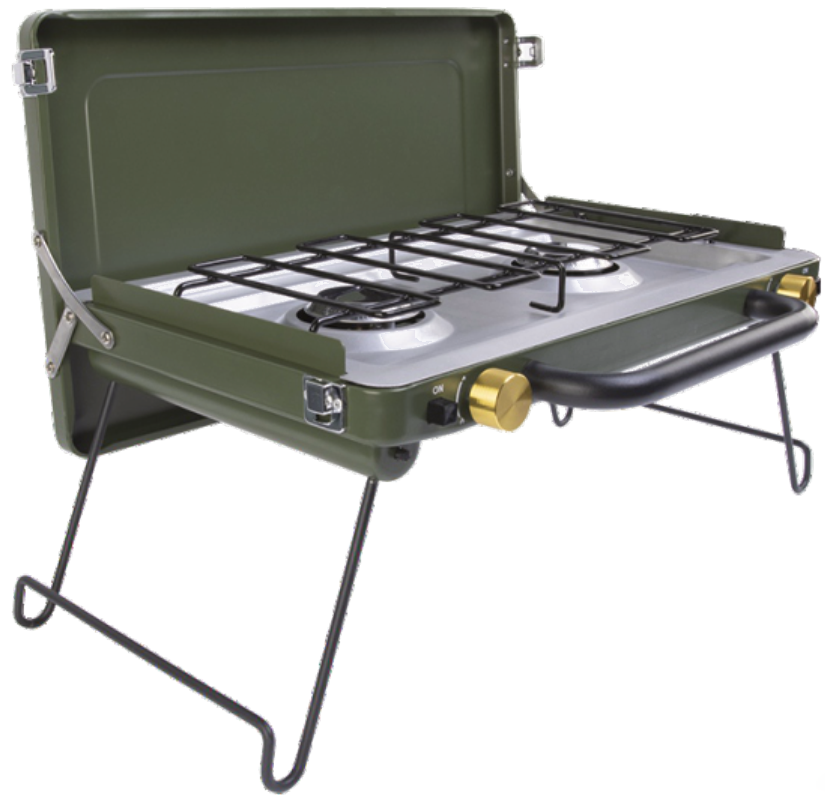
When embarking on an outdoor adventure, the choice of fuel for Camping Stoves becomes a critical consideration. Among the most popular options are butane, propane, and mixed gas. Each of these fuels boasts distinct properties that influence their performance, compatibility, and safety in various camping scenarios.
Butane: Characteristics and Applications
Butane is a hydrocarbon fuel that is typically found in portable canisters. Often favored for its compact size and ease of use, butane can ignite quickly and burn cleanly. However, it does have a notable limitation: its performance diminishes in cold weather conditions.
- Burning Efficiency: Butane generally provides a high heat output, making it suitable for boiling water and cooking meals efficiently.
- Canister Compatibility: Most portable stoves designed for butane use specific canisters, which ensures a secure fit and reduces the risk of leaks.
- Temperature Limitations: When temperatures drop below freezing, butane may not vaporize effectively, leading to inconsistent flames.
Propane: Versatility and Performance
Propane, another widely used camping stove fuel, is known for its versatility and reliability. Often available in larger tanks or smaller canisters, propane has a higher boiling point than butane, which allows it to perform better in frigid conditions.
- Burning Characteristics: Propane burns hotter and can sustain a steady flame even in adverse weather, making it ideal for winter camping.
- Storage and Transport: Propane canisters are often larger and, thus, heavier, but they come with an advantage in terms of longevity and heat output.
- Safety Precautions: Propane requires careful handling and storage to prevent leaks and ensure safety, particularly when using larger tanks.
Mixed Gas: The Best of Both Worlds
Mixed gas blends typically combine butane and propane, aimed at optimizing the benefits of both fuels. This hybrid approach often enhances performance across a range of temperatures, offering a versatile solution for campers.
- Temperature Performance: The mixture allows for better vaporization in cold weather while still delivering the high heat output characteristic of propane.
- Canister Design: Mixed gas canisters are designed to accommodate the varying properties of both fuels, which can be advantageous for users who require flexibility.
- Environmental Considerations: Some mixed gas products are formulated to produce fewer emissions, appealing to environmentally conscious campers.
Compatibility and Safety Considerations
Understanding fuel compatibility with Camping Stoves is paramount to ensure safety and efficiency. Using the wrong fuel type can lead to poor performance, damage to the stove, or even hazardous situations.
- Manufacturer Specifications: Always consult the manufacturer’s guidelines for compatible fuel types for your stove model.
- Storage Practices: Regardless of the fuel type, proper storage is essential to prevent leaks and potential fire hazards.
- Regulator Use: Utilizing a regulator can help maintain consistent pressure and flow, particularly when using propane or mixed gas.
Conclusion
In conclusion, campers must consider the specific needs of their trip when choosing between butane, propane, or mixed gas. Each fuel type has unique advantages and drawbacks, and making an informed decision can enhance the overall camping experience. Whether you opt for the convenience of butane, the reliability of propane, or the versatility of mixed gas, a brand like VOOMA offers a range of products designed to meet your camping fuel needs safely and effectively.